
Hawk V-Lites bring audiences back to the world of the classic original, Alien
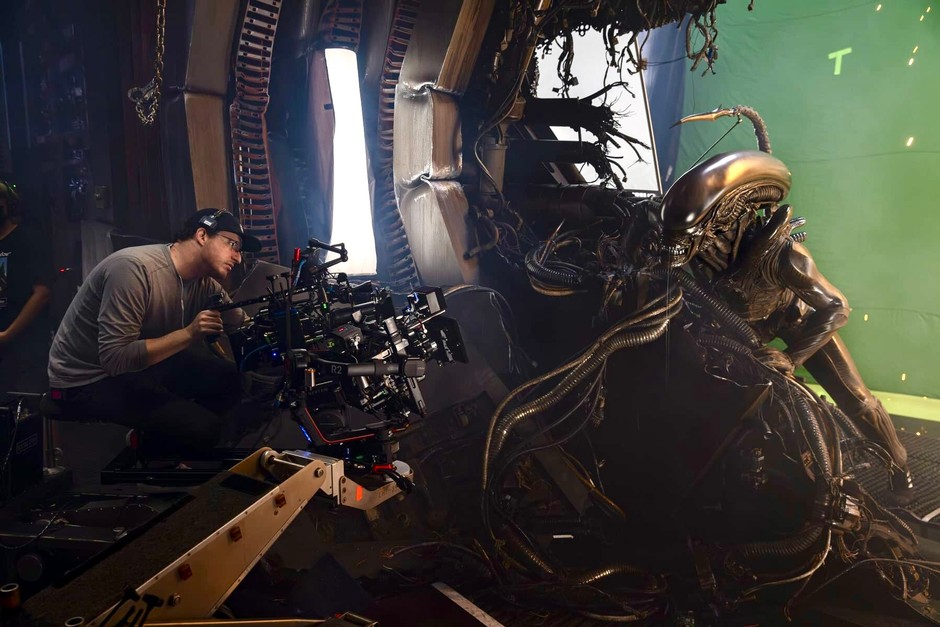
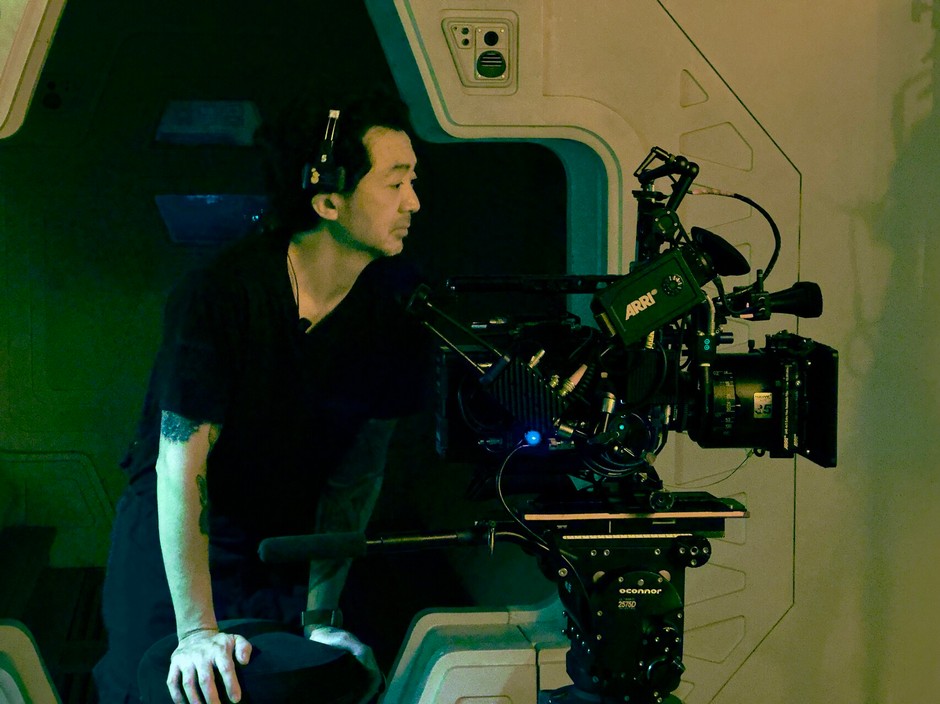
Dana Gonzales, ASC and the team of creatives behind Alien: Earth (currently streaming on FX, Hulu and Disney+) created a look and feel for the show that resonates with the influential original – Alien, the 1979 space adventure directed by Ridley Scott and photographed by Derek Vanlint, BSC.
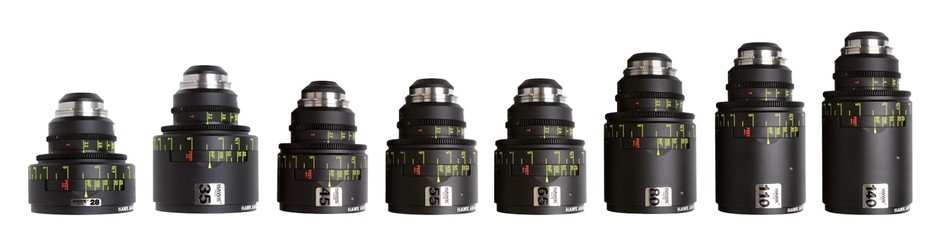
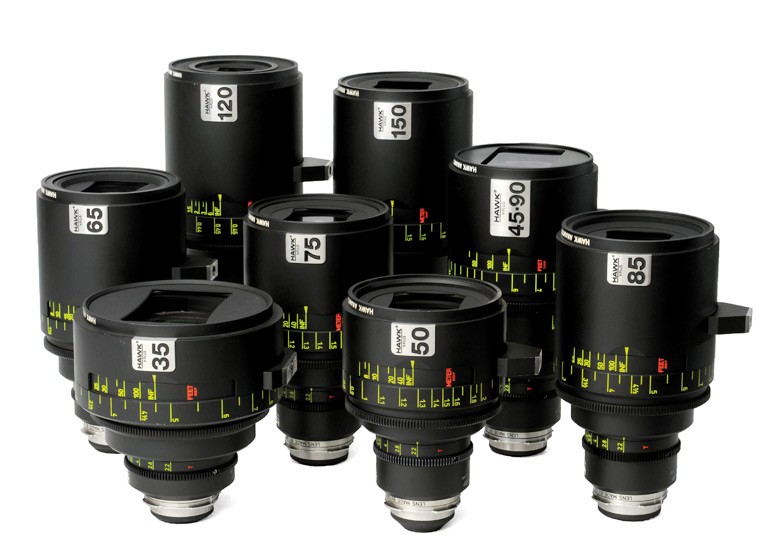
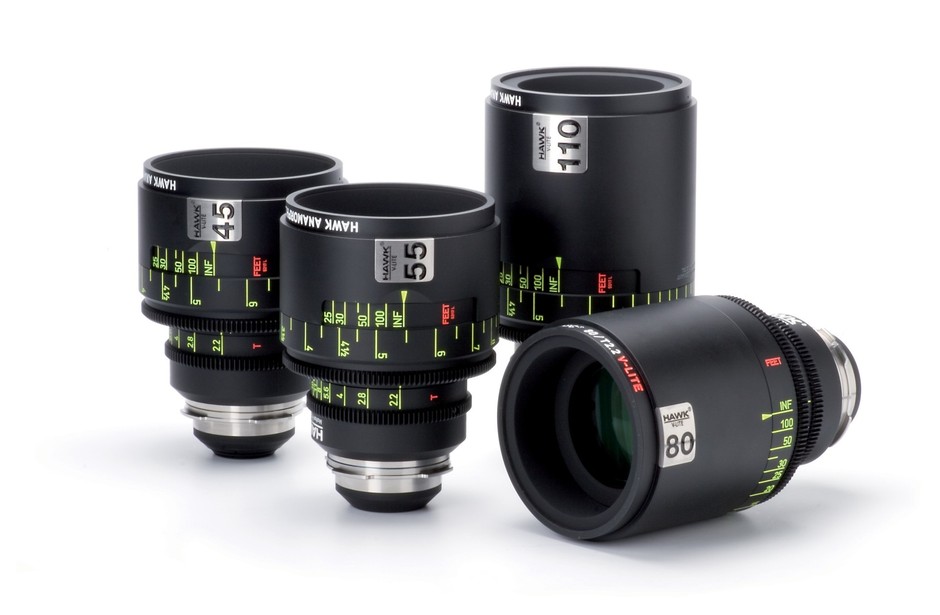
“The start of our efforts was finding the right lenses,” says Gonzales. “I toyed with Panavision C Series, which were used on the original, but I prefer to work with Keslow. After a process of elimination, we found the Hawk V‑Lite anamorphics. They have a bit of vintage feel to them. The V‑Lites have been around since the film days. When you look at a ‘70s film projected, there’s something indescribable there, something that happened with the film plane and the development that I’m always trying to recreate. With digital, even when you diffuse the lenses quite heavily, they still feel sharp somehow. With the V‑Lites, the glass definitely has more of that vintage character.”
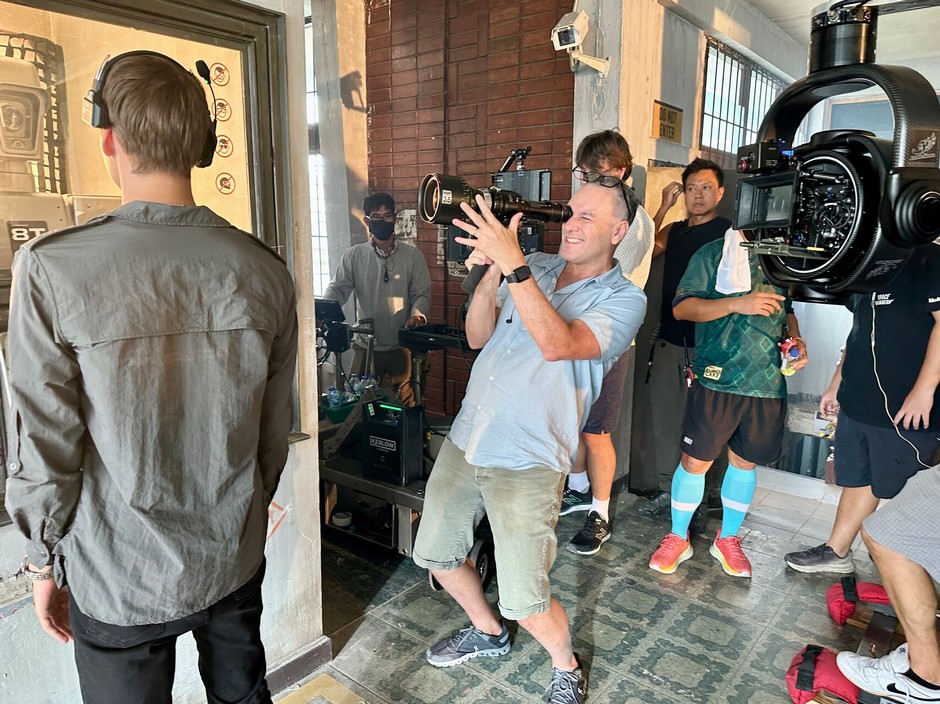
In addition to setting the look and shooting the initial episode, Gonzales served as executive producer on the series, and directed four episodes. David Franco, ASC shot six episodes, Bella Gonzales shot two, and Colin Watkinson, ASC handled cinematography on one episode.
The events of Alien: Earth are set two years before those of the landmark original, which is now in the pantheon of cinema classics preserved in the National Film Registry. Along with showrunner Noah Hawley and the production design team, Gonzales began with a close study of that film and its sequel, Aliens (1986), which was directed by James Cameron and shot by Adian Biddle, BSC on 100 ASA film.
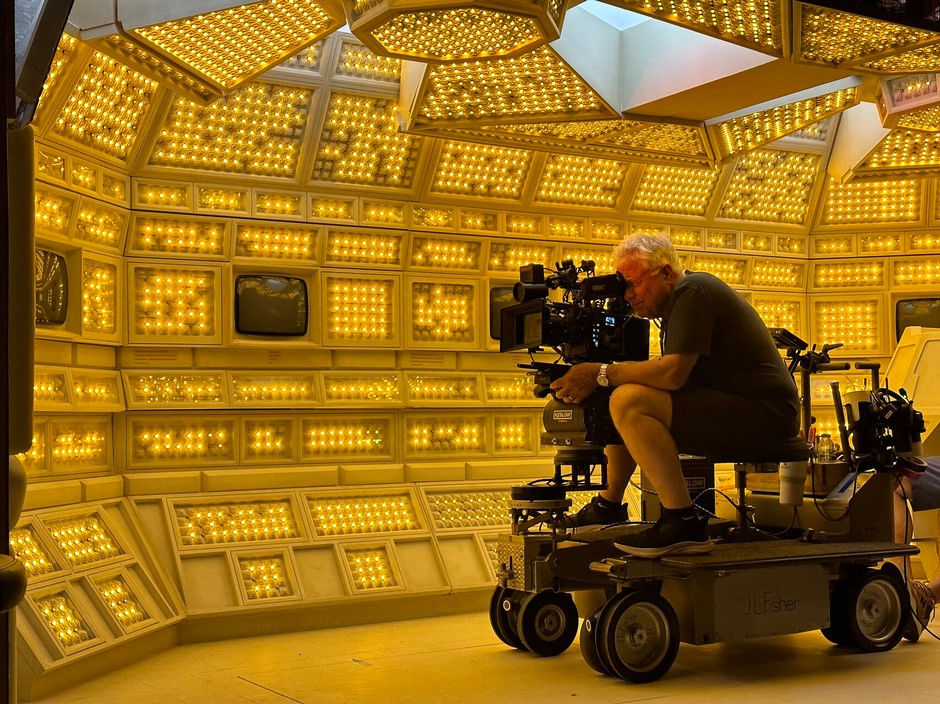
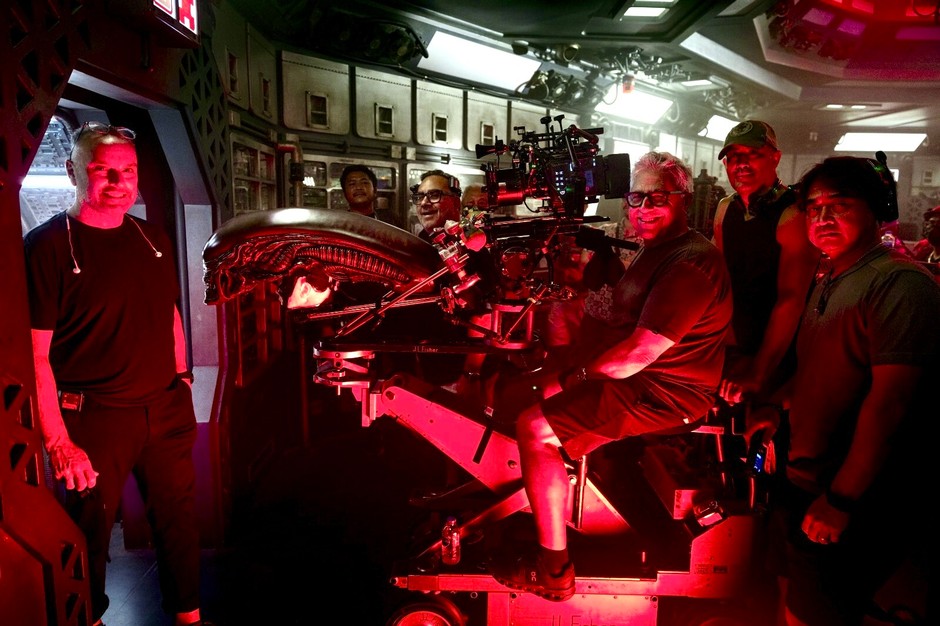
In Alien especially, the design of the spaceship interiors is notably grungy, lived-in and a little claustrophobic at times. For the update, Gonzales’s approach to Alien: Earth also incorporated judicious filtration as well as film emulation and grain added at Company 3 during post.
“Of course, the production design is a big help, with colors and textures and aesthetics that are very close to Alien,” he says. “You need all of those things just to start the conversation.”
The need for zooms was also a big factor. Hawk V‑Plus Front Anamorphic zooms in 45-90 mm/T2.8 and the 80-180 mm/T2.8 editions, both with close focus of 1 meter, or 0.75 meter – were used extensively.
“The Hawk zooms are exceptional,” says Gonzales. “My daughter Bella, also a cinematographer, told me about them, and they’re brilliant. I had worked with Hawk lenses before, but I almost couldn’t believe these zooms.”
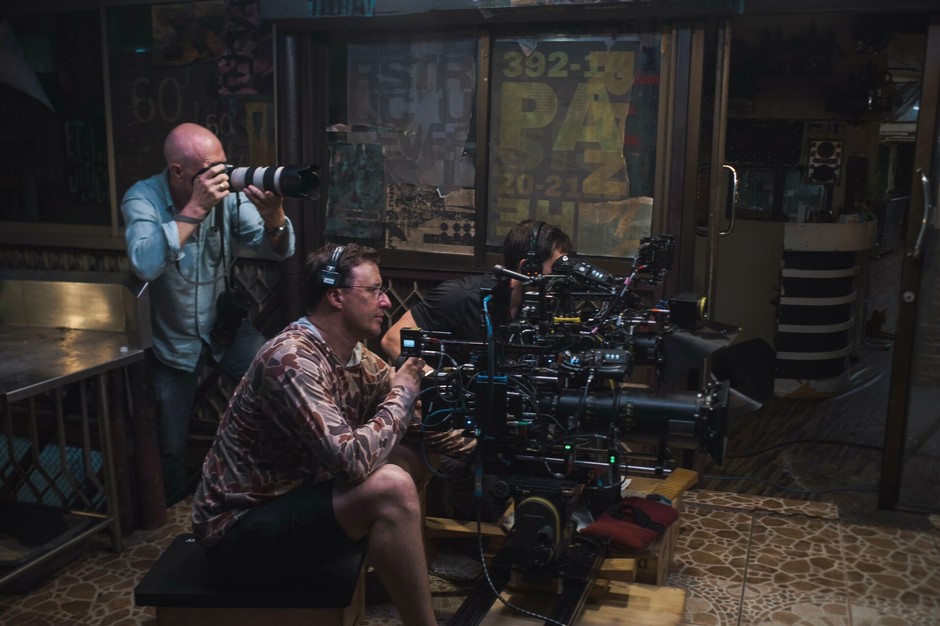
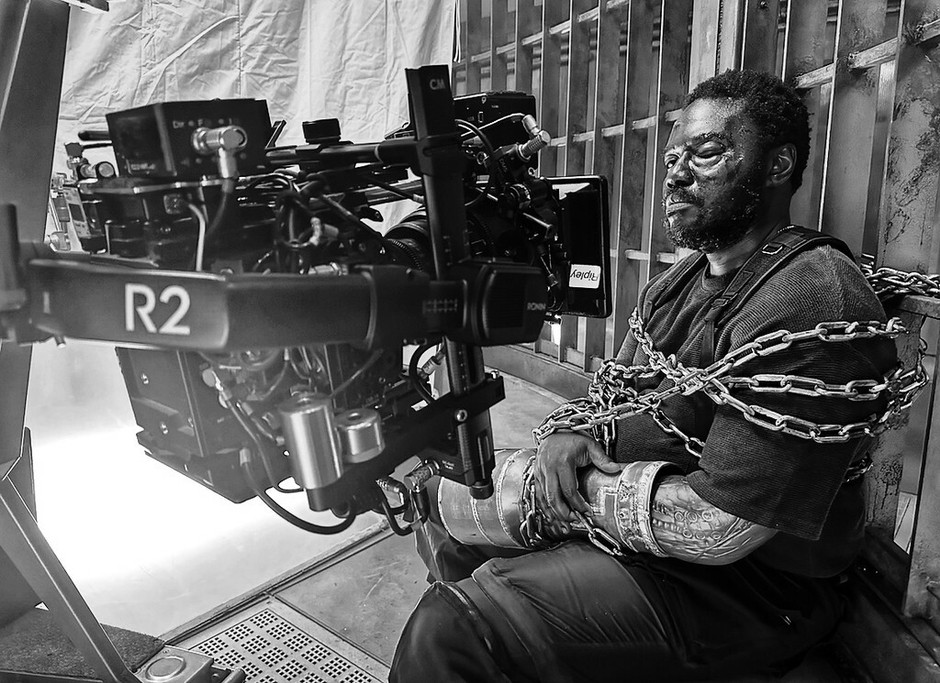
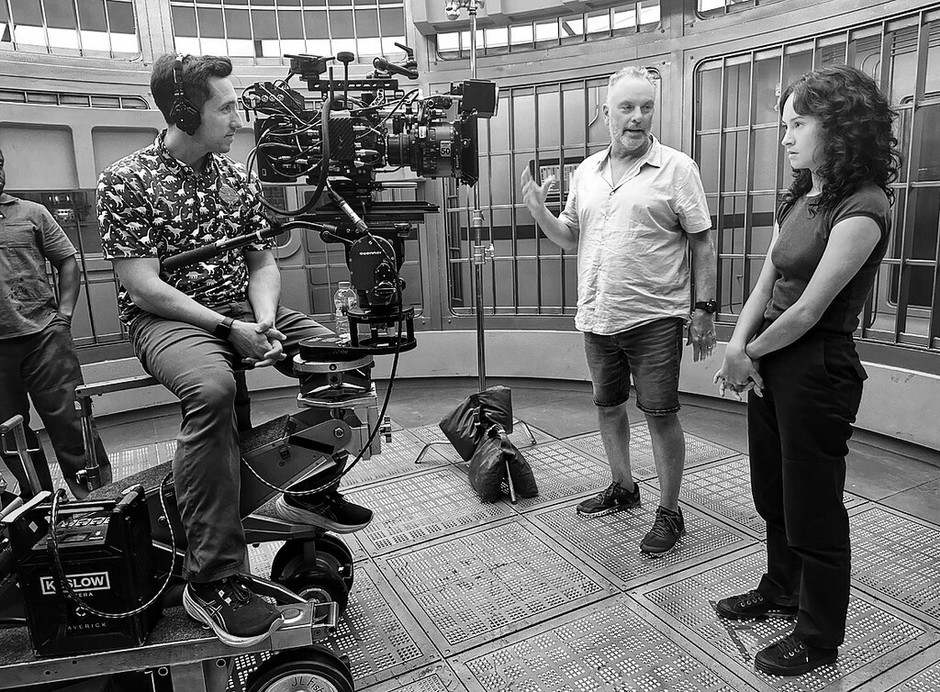
The episodes were generally done on 15-days schedules, with multiple units often engaged. The main cameras were ARRI Alexa 35s, which feature sensors that work efficiently with the anamorphic image. At times, Gonzalez used Alexa 35’s 3200 ASA capability. Shooting was usually planned for a single-camera, with a second camera grabbing a secondary angle when possible.
Over the course of shooting the entire series, the 50 mm V‑Plus grew on Gonzales.
“I really just fell in love with the 50 and the 60 V‑Plus,” he says. “Their character, and the way they rendered close-ups, really matched Alien. I like doing close-ups with the 50. That’s kind of a wide lens in anamorphic 2.40:1 – almost like a 25mm or so. But for some reason, everything about it worked for me – the compression, and not too much bend.
“In Alien, there aren’t really any shots with strong aberration,” he says. “Today, you often see cinematographers using more screwed-up lenses, with crazy flaring and constant veiling on the edge. I wasn’t looking for that.”
Depth of field was also carefully considered. “I can’t think of anything worse than being in a great set and not being able to see it,” says Gonzales. “Noah and I, as well as Mitch Dubin, my operator, are very attracted to the closer, wider lens. Now, what I like about anamorphic and large format is that these are more compressed wider lenses. With a 50, you already have this compression, yet you basically have the field of view of a 25. To me, that’s the perfect mix of shooting a character’s face while also feeling the details of the set, with some subtle falloff. The audience really feels it when the camera is physically closer.”
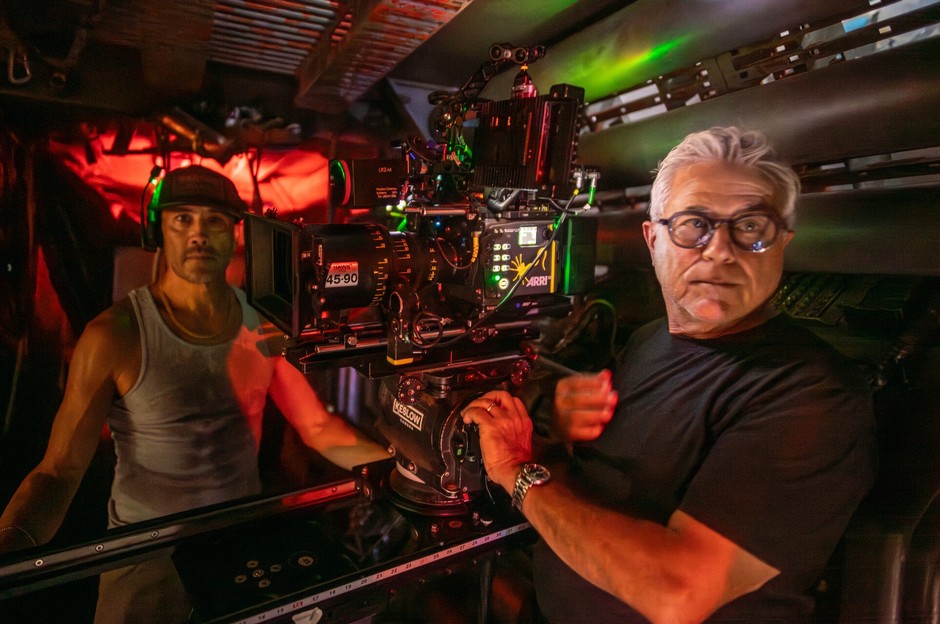
The camera team generally carried three sets of lenses. Along with the zooms, the V‑Lites were augmented by some V‑Plus Hawks, a series that predates the V‑Lites by a few years.
“It was super refreshing to have a complete set of lenses that were made by the same manufacturer, even though there are different formulas to some degree,” says Gonzales. “We had multiple sets, and we tested them to find the best match. In doing the final color, we never had that one lens that comes up – you immediately know it needs to be fixed, whether it’s color or sharpness.”
The show is a hit with audiences. NPR’s reviewer called Alien: Earth “one of the best shows so far this year,” and upon debut the show earned a near-perfect critics’ score of 94% on Rotten Tomatoes – tied with that of Aliens and 1% higher than the original, Alien.
Watch the trailer here.